Rhododendron King’s Buff

$60.00

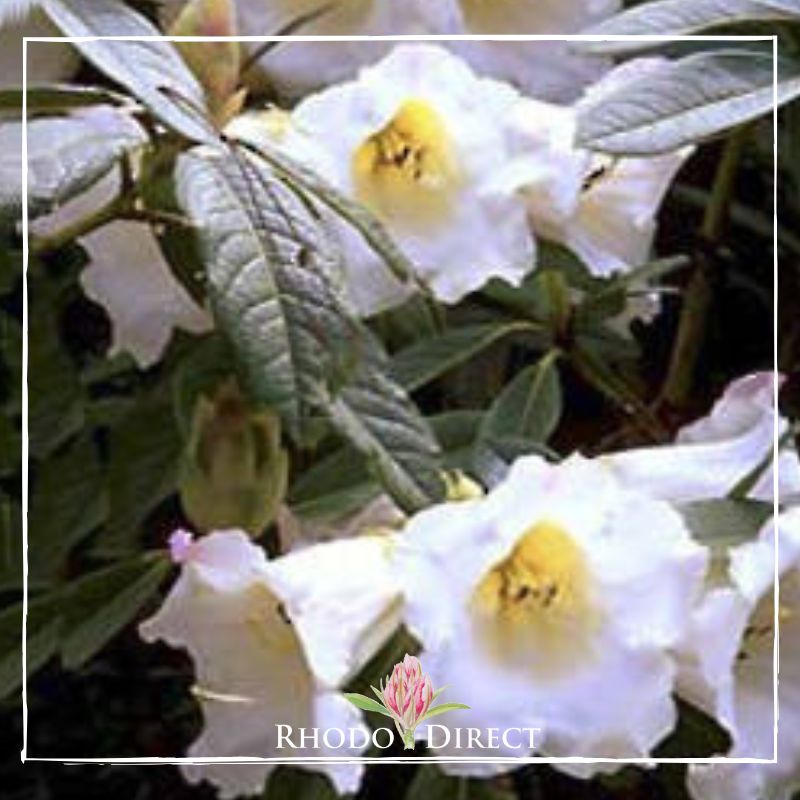
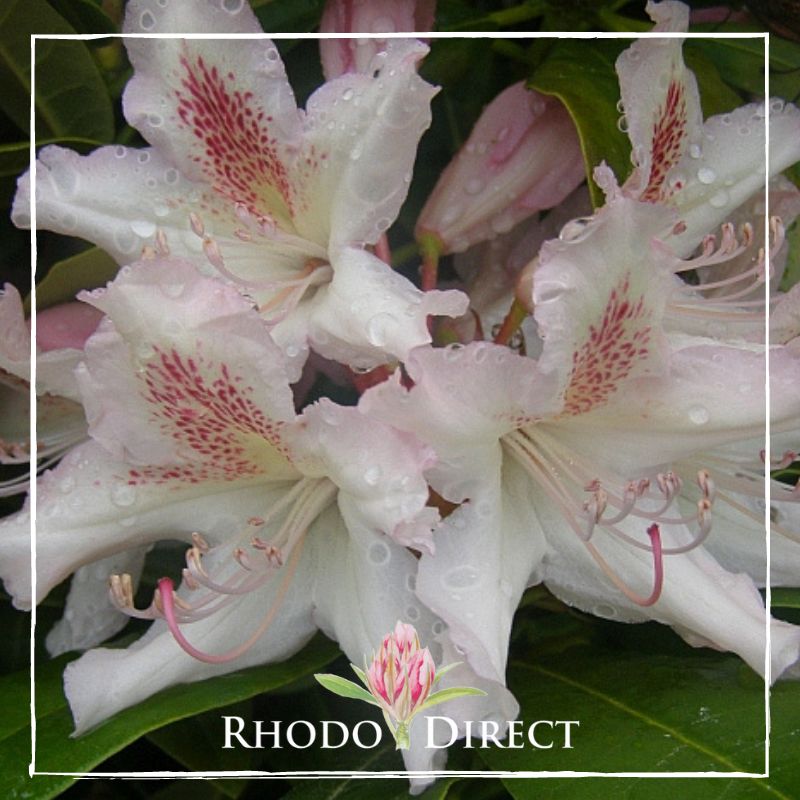
Rhododendron Kings Buff, where lilac-hued buds unfold into breathtakingly crisp white flowers adorned with a spotted deep pink eye on the top lobe. Standing at a height of 1.5 meters.

Add to Wishlist
Add to Wishlist
24 available now
Specifications
Availability:
Available
Flower colour:
White
Flower characteristics:
Single Colour Bloom
Flowering time:
October (Mid-Flowering)
Leaf structure:
Oval
Leaf characteristics:
Plain Green Foliage
Growth habit:
Compact Dense Growth
Mature height:
1.5 Metre
Garden position:
Sun Tolerant
Frost tolerant:
Yes
Thrip resistant:
No
Fragrant:
No
Yak hybrid:
No
Description

Rhododendron Kings Buff: A Regal Display of Lilac Buds and Crisp White Blossoms

Behold the majestic charm of Rhododendron Kings Buff, where lilac-hued buds unfold into breathtakingly crisp white flowers adorned with a spotted deep pink eye on the top lobe. Standing at a height of 1.5 meters, this newcomer to RhodoDirect showcases robust and hardy characteristics, promising vigorous growth and a regal presence in any garden.

A Hardy and Vigorous Marvel: Kings Buff introduces a hardy rhododendron variety that boasts robust growth. Its resilience makes it an excellent addition to gardens, offering durability and a splendid display year after year. Its vibrant lilac buds and crisp white blossoms create a captivating contrast, adding an element of grandeur to any landscape.

Perfect for Celebrations: As it makes its debut at RhodoDirect, Kings Buff becomes a fitting addition to commemorate special occasions. Its robust growth and exquisite blooms make it an ideal choice to honor celebrations like the King’s Birthday, bringing a touch of elegance and sophistication to the festivities.

Experience the royal beauty of Rhododendron Kings Buff, a hardy and vibrant rhododendron variety that adds regal splendor to any landscape, perfect for special celebrations and garden landscapes.

Size information

When you purchase a rhododendron, you will receive a well-established four-year-old plant grown in a 6L pot, with a strong root system and often developing flower buds, ready to settle in and thrive in your garden. To help you plan for the plant’s eventual scale, the mature heights listed in the Product Information are estimated 10-year sizes from the time of planting. For more detail, please refer to our Size Guide in the FAQs.

How to plant

At RhodoDirect, all of our rhododendrons are grown in pots, so you can plant them at any time of the year.

If you have the choice though, I always say autumn is best. The soil is still warm, which encourages strong root growth, but the plant isn’t under the stress of summer heat. It gives your rhodo time to settle in properly before winter and sets it up beautifully for spring.

Preparing the Soil (Don’t Skip This Part)

The work you do before planting makes all the difference.

I always thoroughly break up the soil and mix in plenty of organic matter — compost, bark, peat or lovely well-rotted leaf mould. Rhododendrons love rich, airy soil.

If you’re planting just one shrub, prepare as wide an area around it as you can.
If you’re planting a bed, improve the whole bed — not just the hole. Roots don’t stop at the edge of the hole!

Preparing the Root Ball (This Is the Step Most People Miss)

This is probably the most important part.

When you take the plant out of the pot:

  • Soak the root ball in a bucket or tub of water.
  • Gently hose off some of the old potting mix.
  • Carefully tease out the fine roots with your fingers.

If you don’t loosen those roots, they can stay circling in a tight mass and struggle to move into your garden soil. I always say — be brave here. It really helps the plant establish properly.

Digging the Hole — Shallow Is Key

Rhododendrons hate being planted too deeply.

  • Dig the hole only slightly deeper than the root ball.
  • Make it wide enough for the roots to spread comfortably.
  • Always plant at the same soil level it was in the pot — or even slightly higher.

If you have heavy or clay soil (which many of us do), rough up the sides of the hole with a fork so it doesn’t create a hard wall. I also recommend adding gypsum to help improve structure.

In heavier soils, I actually raise the plant about 8cm above ground level and mulch up around it. Rhodos love air around their roots.

Planting, Watering & Mulching

Once your plant is positioned correctly:

  • Backfill gently with your improved soil mix.
  • Water thoroughly to settle everything in.
  • Stake if it’s in an exposed spot.

Then apply about 8cm of organic mulch — bark, leaf mould or pine needles are perfect.

Mulch is one of the best things you can do. It keeps moisture in, suppresses weeds, protects roots, and maintains the slightly acidic conditions rhododendrons thrive in.

Fertilising — Less Is More

I never put fertiliser in the planting hole. It can burn those delicate new roots.

Instead, apply fertiliser on the surface after planting. Rain and watering will naturally carry nutrients down where they’re needed.

My Final Advice

If you remember just three things:

  • Plant shallow
  • Tease out the roots
  • Improve the soil generously

Do those well, and your rhododendron will reward you for years to come.

Care information

Rhododendrons are actually very rewarding plants to grow — once you understand what they like.

Most problems I see come down to watering, soil, or planting depth. Get those right, and you’re well on your way.

💧 Watering

The first year is the most important.

Even though rhododendrons don’t like wet feet, they also don’t like drying out — especially while establishing.

Water deeply rather than lightly and often.

In summer, check them regularly.

In winter, only water if the soil is dry.

A good mulch layer makes a huge difference in maintaining even moisture.

🌱 Feeding

I feed lightly and consistently rather than heavily all at once.

Use a fertiliser suitable for acid-loving plants.

Apply in early spring as new growth begins.

A second light application after flowering is helpful.

Avoid over-fertilising — too much fertiliser can result in burning occurring on the leaves.

Nitrogen based fertilisers like NPK Blue will create an abundance of leaves but fewer flowers.

✂️ Pruning

Rhododendrons don’t need heavy pruning.

After flowering:

Remove spent flower heads (deadheading).

Lightly shape if needed.

Remove any dead or crossing branches.

If a plant becomes leggy over time, it can be rejuvenated — but I always recommend doing this gradually.

🌤 Sun & Position

Most rhododendrons prefer:

Morning sun

Dappled light

Shelter from harsh afternoon sun

Dark reds and deeper colours tolerate more sun, while pale pinks and whites appreciate a little more protection.  Apricots and oranges require a dapple shaded area.

Wind protection is also important — especially when plants are young.

🍂 Mulching

Mulch is one of the best things you can do for rhododendrons.

I apply an 8cm layer of organic mulch such as:

Bark

Leaf mould

Pine needles

It keeps roots cool, retains moisture, suppresses weeds, and maintains the acidic soil conditions rhodos love.

Refresh mulch each year as it naturally breaks down.

🐛 Common Issues

The most common concerns I’m asked about are:

Yellowing leaves

Powdery mildew

Buds not opening

Leaves curling

Nine times out of ten, it comes back to soil, drainage, or watering.

If something doesn’t look right, don’t panic — rhododendrons are tougher than people think.

You can check out the following link Problems with Rhododendrons – RhodoDirect: Buy Rhododendrons Online in New Zealand

My Golden Rules

If you remember these basics:

Keep roots cool and moist (but not waterlogged)

Feed lightly

Plant shallow

Mulch well

Your rhododendron will reward you year after year.

Shipping

We currently use Post Haste as our preferred domestic courier for most plant orders.

Because plants are bulky but lightweight, freight is calculated per box — so how many plants fit in each box makes a difference to cost.

📦 How We Pack

We use strong banana boxes and pack carefully to ensure your plants arrive safely.

Up to four 6-litre pots fit comfortably into one box.

The freight cost for one plant is generally the same as for two.

Ordering two or four plants is usually the most economical option, as it fills the box efficiently.

If you’re unsure about quantities, feel free to contact us before ordering — we’re always happy to help you maximise value.

📏 Plant Height & Courier Limits

Courier freight is also governed by plant height.

Post Haste cannot accept plants over 1.2 metres tall.

Occasionally this may mean selecting a slightly shorter plant for shipping. Rest assured, we always aim to send you the largest, healthiest plants possible. If there is a noticeable size difference, we will always give you a call to discuss your options before sending.

🗓 When We Send Plants

To ensure your plants arrive safely and aren’t sitting in depots over the weekend, we aim to dispatch orders on:

Monday, Tuesday or Wednesday.

This allows time for delivery before Friday and reduces the risk of delays.

If you need plants for a specific date, please let us know when ordering and we will do our very best to accommodate.

🌿 Larger Orders (10+ Plants)

For larger orders — particularly 10 plants or more — we often use our designated plant movers, Rockeater.

Rockeater collect from Christchurch and transport north for us. This is typically a far more cost-effective and efficient solution for bulk orders.

Please note:

Rockeater operate with a minimum charge based on the first 21 plants (6L pots).

This option is best suited to larger planting projects.

If you’re planning something bigger, get in touch and we can help work out the most practical freight solution.

🤝 Our Promise

We pack every order as if it were heading to our own garden.

Your plants will be carefully wrapped, secured, and sent in the best possible condition — ready to thrive when they arrive.