Sub-Total: $0.00
It’s Time! Step Behind the Scenes as We Prepare Our 2026 Rhododendron Collection
When a new rhododendron appears on our website, it might seem like it has simply arrived at the perfect moment.
In reality, it has been years in the making.
Our 2026 Collection began life back in 2022 — long before we knew what the seasons ahead would bring. From tiny cuttings to strong 6L plants ready for your garden, every rhododendron follows a careful, patient journey here in West Melton.
This is the story of how they grow up.
First Year — The Beginning (Our “Babies”)
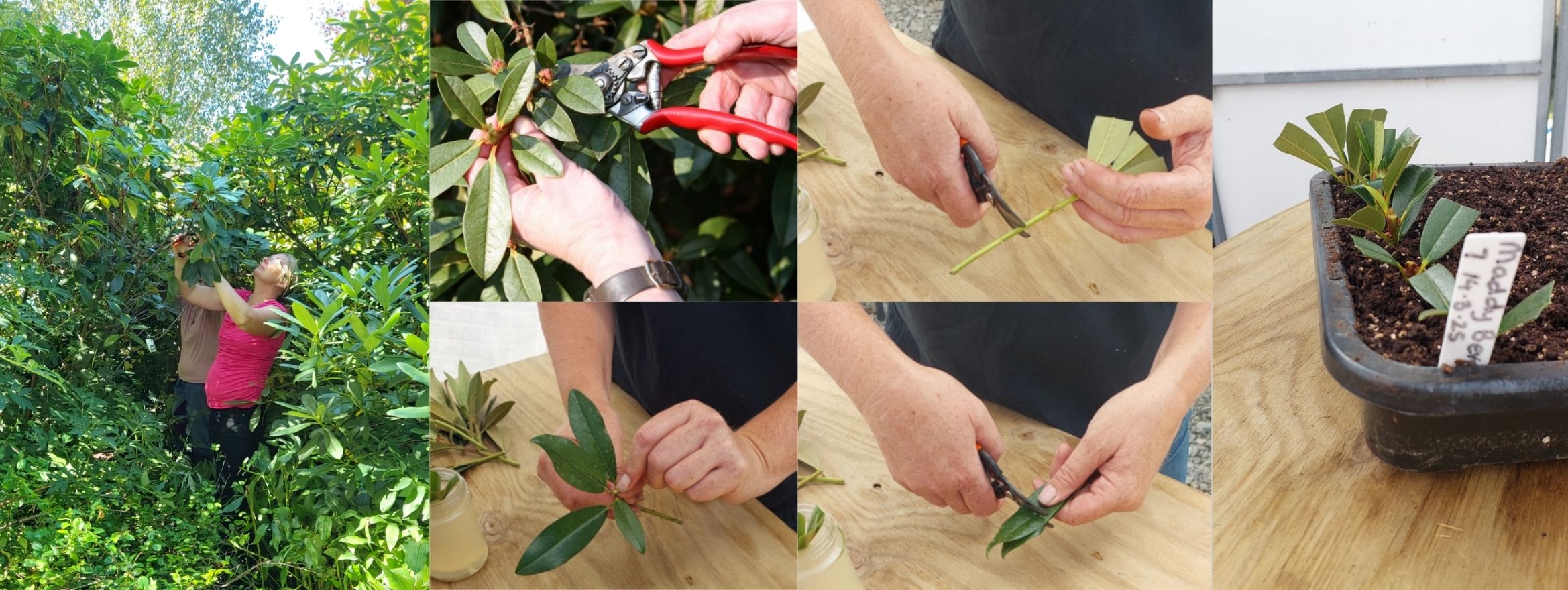
Every plant starts as a tiny cutting, carefully selected from healthy parent stock.
Placed into trays under controlled conditions, these delicate beginnings are closely monitored. Root development at this stage is everything — without strong roots, there is no future plant.
It’s a quiet, patient phase: nurturing, watching, waiting.
Year 2 — Childhood (Into Jiffy Pots)
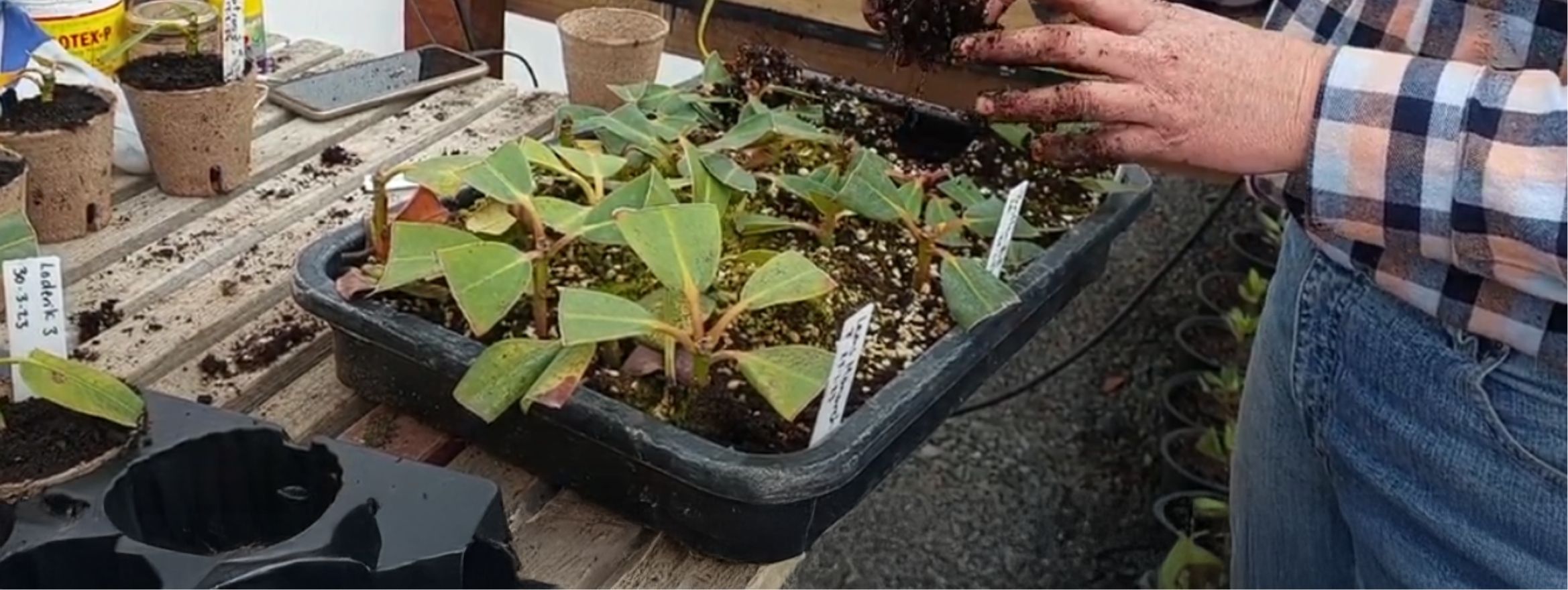
Once the cuttings have rooted, they move into jiffy pots — the nursery equivalent of childhood years.
They’re still small, but growth is steady and noticeable. At this stage, they:
-
Develop stronger root systems
-
Begin forming a basic structure
-
Learn to cope with Canterbury’s changing weather
-
Start showing their individual character
We guide them carefully with feeding and pruning, encouraging healthy, bushy growth. This stage lays the foundation for the shrub they will become.
Year 3 — Teenage Years (Into 2L Pots)
By year three, our rhododendrons are ready for their teenage stage — moving into 2-litre pots.
They are no longer fragile babies, but not yet fully mature. Growth becomes more prominent: branches stretch, roots expand, and some may grow a little unevenly (as teenagers often do).
In these pots, they:
-
Strengthen their root systems further
-
Build a balanced structure
-
Begin showing early bloom potential
This is hands-on nursery work: pruning, shaping, and monitoring vigour. It’s steady care that rarely makes headlines but makes all the difference.
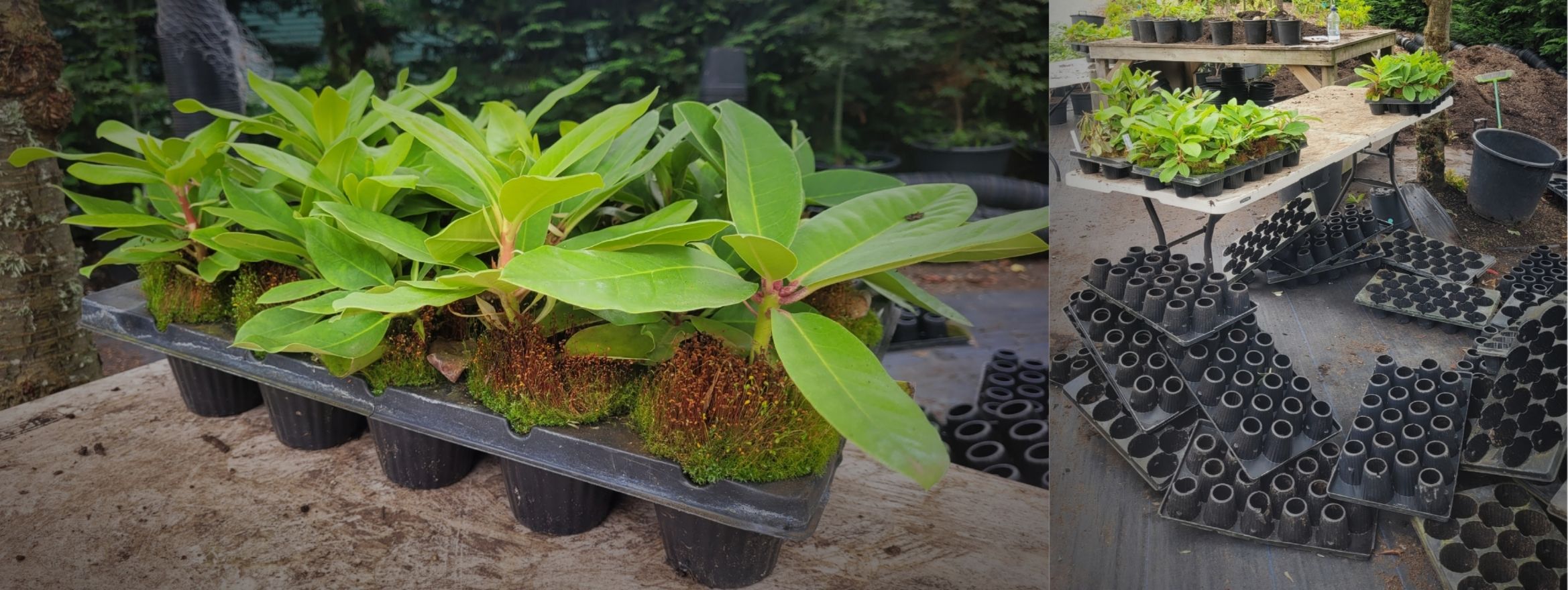
Year 4 — Maturity (Into 6L Pots)
Finally, the plants graduate into their 6-litre pots — mature adults ready for garden life.
At this stage, they are:
-
Well rooted
-
Structurally balanced
-
Hardened to local conditions
-
Ready to thrive in your garden
We never rush this step. The roots must fill the pot, and the plant must be sturdy. Only when the plant is truly ready does it become part of our collection.
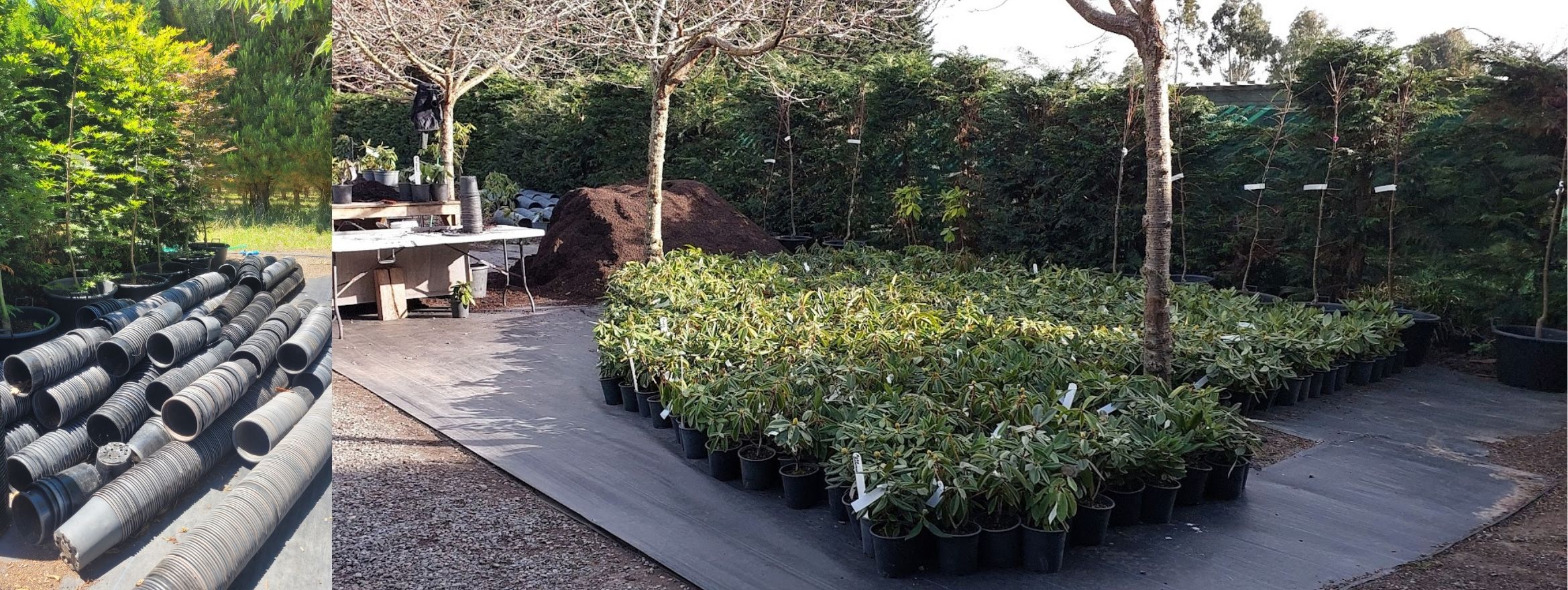
118 Varieties Ready for Autumn Planting
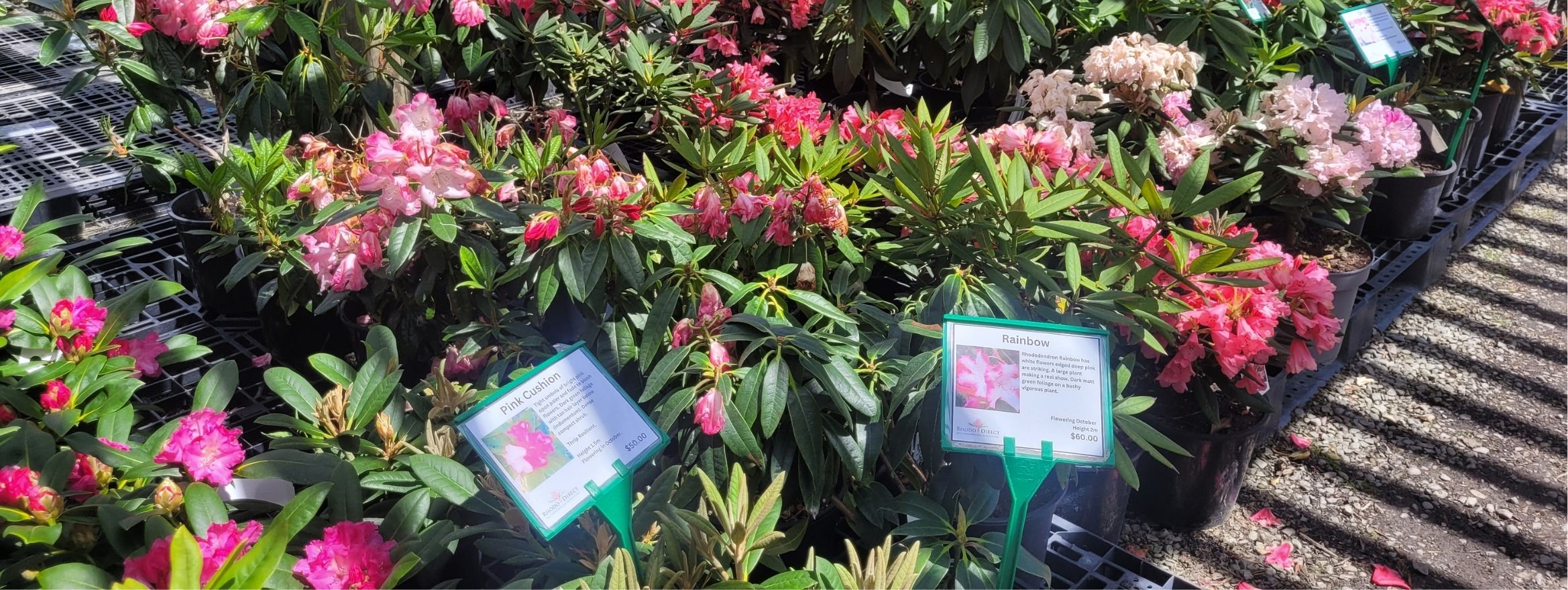
March 2026 marks the release of our 2026 Collection — and it is one of our largest to date.
A total of 118 rhododendron varieties will be available for autumn planting. Each one has completed the full four-year journey from cutting to 6L maturity here in West Melton.
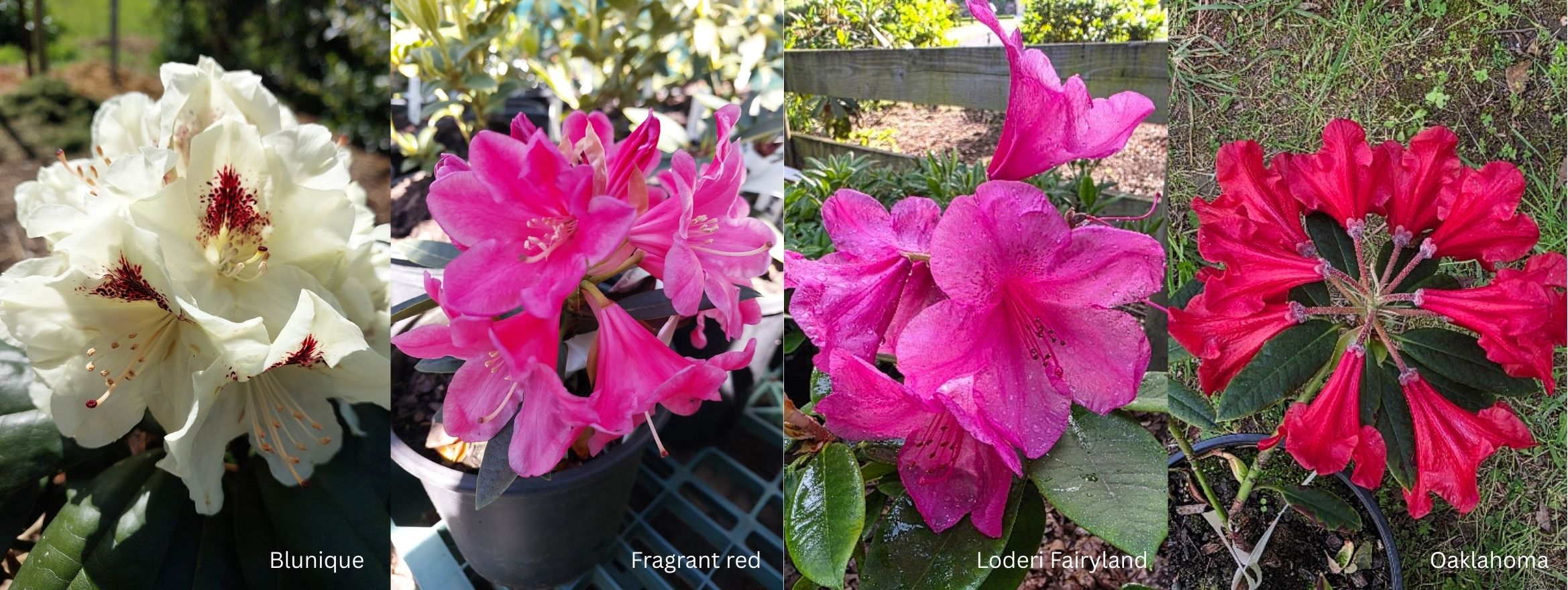
This collection includes trusted heritage favourites, strong garden performers, beautiful yak hybrids, fragrant selections and carefully chosen colour standouts. Among them are varieties such as:
-
Rhododendron Alcesta
-
Rhododendron Apricot Nectar
-
Rhododendron Arboreum Red
-
Rhododendron Bernies Joy
-
Rhododendron Blunique
-
Rhododendron Cokers Cream
-
Rhododendron Fragrant Red
-
Rhododendron Idealist
-
Rhododendron Loderi Fairyland
-
Rhododendron Oaklahoma
-
Rhododendron Pania
-
Rhododendron Peaches ‘N’ Plums
-
Rhododendron Pink Cushion
-
Rhododendron Pink Perfection
-
Rhododendron White Swan
…and many more.
Autumn is one of the very best times to plant rhododendrons. As soil temperatures remain warm and moisture levels stabilise, roots establish steadily through winter. By the time spring arrives, plants are already settled and ready to put on new growth.
Soil Success — A Stronger Collection
This year’s collection also reflects something we’re particularly proud of.
After refining and improving our soil mix, we saw exceptional root development — especially in our 2L “teenagers”. The improvement was visible in both root strength and top growth, resulting in sturdier plants stepping into their 6L stage.
Stronger roots.
Better structure.
More consistent growth.
It’s the kind of quiet, behind-the-scenes work that doesn’t always get noticed — but it makes all the difference in your garden.