
Sub-Total: $0.00
Summer Pruning: The Secret to More Rhododendron Flowers
Early January is one of my favourite times in the garden. With a bit of spare time over the holidays, Steve and I can finally slow down, observe what’s really happening in the garden, and focus on the jobs that will make the biggest difference long term. One of those jobs is summer pruning, especially where rhododendrons are concerned.
If your rhododendrons are full of healthy green leaves but light on flowers, there are two main reasons I see over and over again — too much nitrogen and too much shade. Today I want to focus on shade, because this is the one we can actively fix right now.
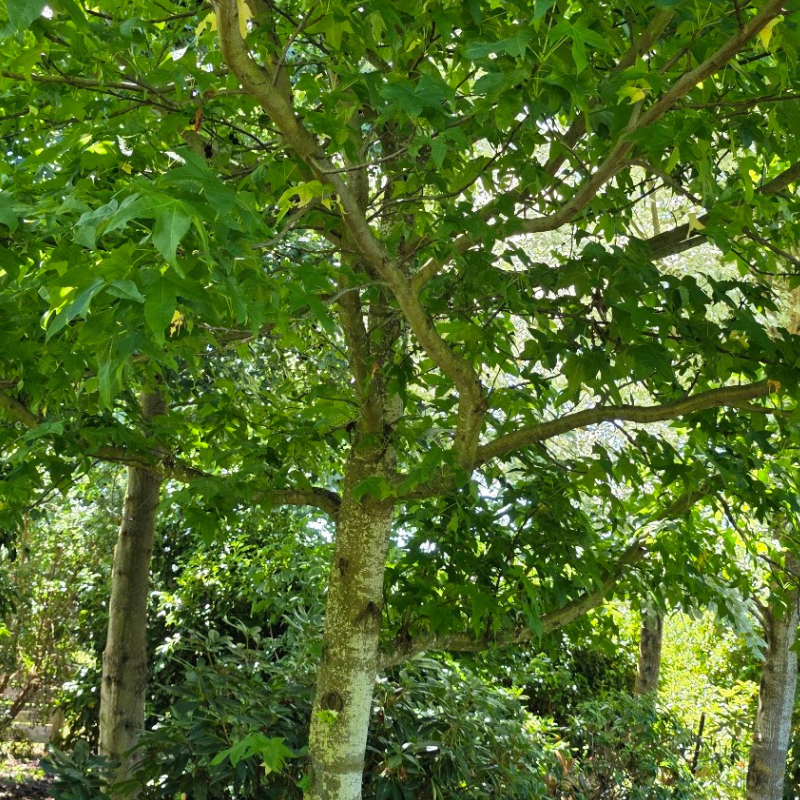

Why light matters for flower buds
Rhododendrons need good light levels to form flower buds. As surrounding trees grow, what was once gentle, dappled shade can turn into dense overhead cover. When that happens, the plant puts its energy into leaves rather than flowers.
Summer is the ideal time to address this.
Why we prune trees in summer
Because Steve and I are both home together over the Christmas–New Year period, this is when we do most of our tree pruning. We’ve found summer pruning to be far more effective than winter pruning for controlling shade around rhododendrons.
Summer pruning:
- Reduces excessive, vigorous growth the following spring
- Makes it easy to see which branches are creating the most shade
- Allows light to filter down where flower buds are formed
- Helps manage wind damage in Canterbury’s blustery conditions
Our goal isn’t full sun. Rhododendrons still need protection. What we aim for is a light, dappled canopy that allows sunlight through without exposing plants to harsh afternoon sun.
How we thin the upper canopy
We always start by looking up. The upper canopy is where most of the shade and wind resistance comes from.
When thinning trees, we focus on:
- Removing crowded or crossing branches
- Taking out strong upright shoots that block light
- Creating space between branches rather than shortening everything
- Standing back often to check that light is filtering through evenly
- A simple test we use is whether a bird could easily fly through the canopy. If it feels open and airy, you’re on the right track.
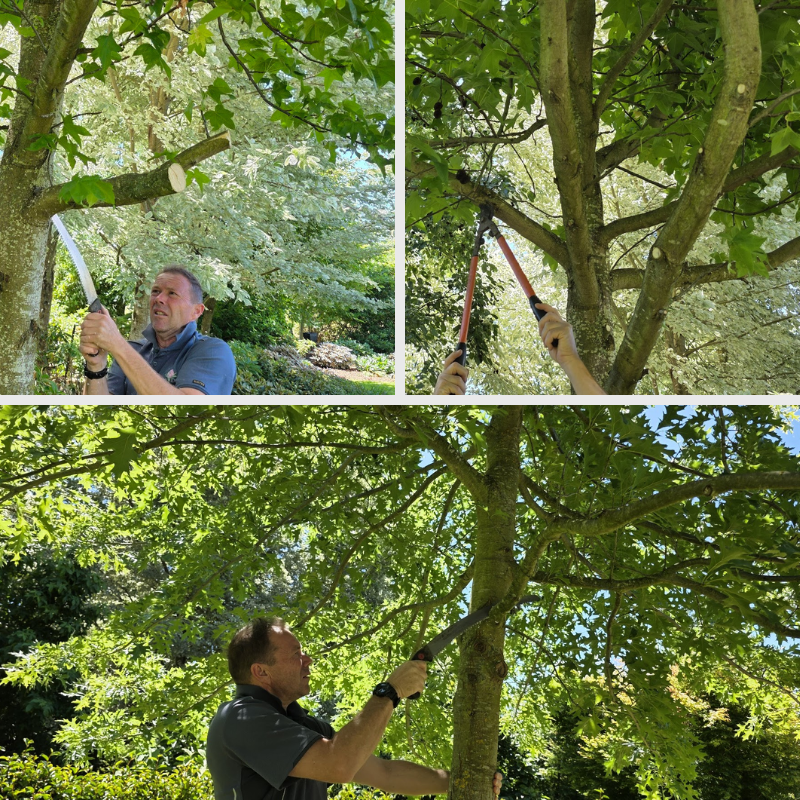
Pruning large branches safely
When removing larger branches, we always use a two-cut method. The first cut is made about a foot away from the trunk to remove the weight of the branch. The second cut is then made cleanly closer to the trunk. This prevents tearing and helps the tree heal properly.
Don’t forget nitrogen
While light is the big focus in summer, it’s also worth reviewing what you’re feeding and mulching with. Too much nitrogen — from general-purpose fertilisers or nitrogen-rich mulches like pea straw — encourages leafy growth at the expense of flower buds. Rhododendrons don’t need the same feeding approach as leafy vegetables.
Summer pruning won’t give instant flowers, but it sets the scene for strong flower bud formation later in summer and autumn. Combined with sensible feeding using a slow-release acidic fertiliser, it’s one of the most reliable ways to improve rhododendron flowering year after year.
If your rhododendrons are all leaves and no flowers, now is the perfect time to look up, let the light in, and give them the conditions they need to perform.