
Sub-Total: $0.00
How to Prune Rhododendrons: A Practical Guide
Pruning rhododendrons doesn’t need to be intimidating. Done at the right time and with a clear purpose, it’s one of the best ways to improve plant shape, encourage healthy growth, and set up great flowering in future seasons.
This guide walks you through when, why, and how to prune rhododendrons, with practical tips to help you prune confidently.
Why Prune Rhododendrons?
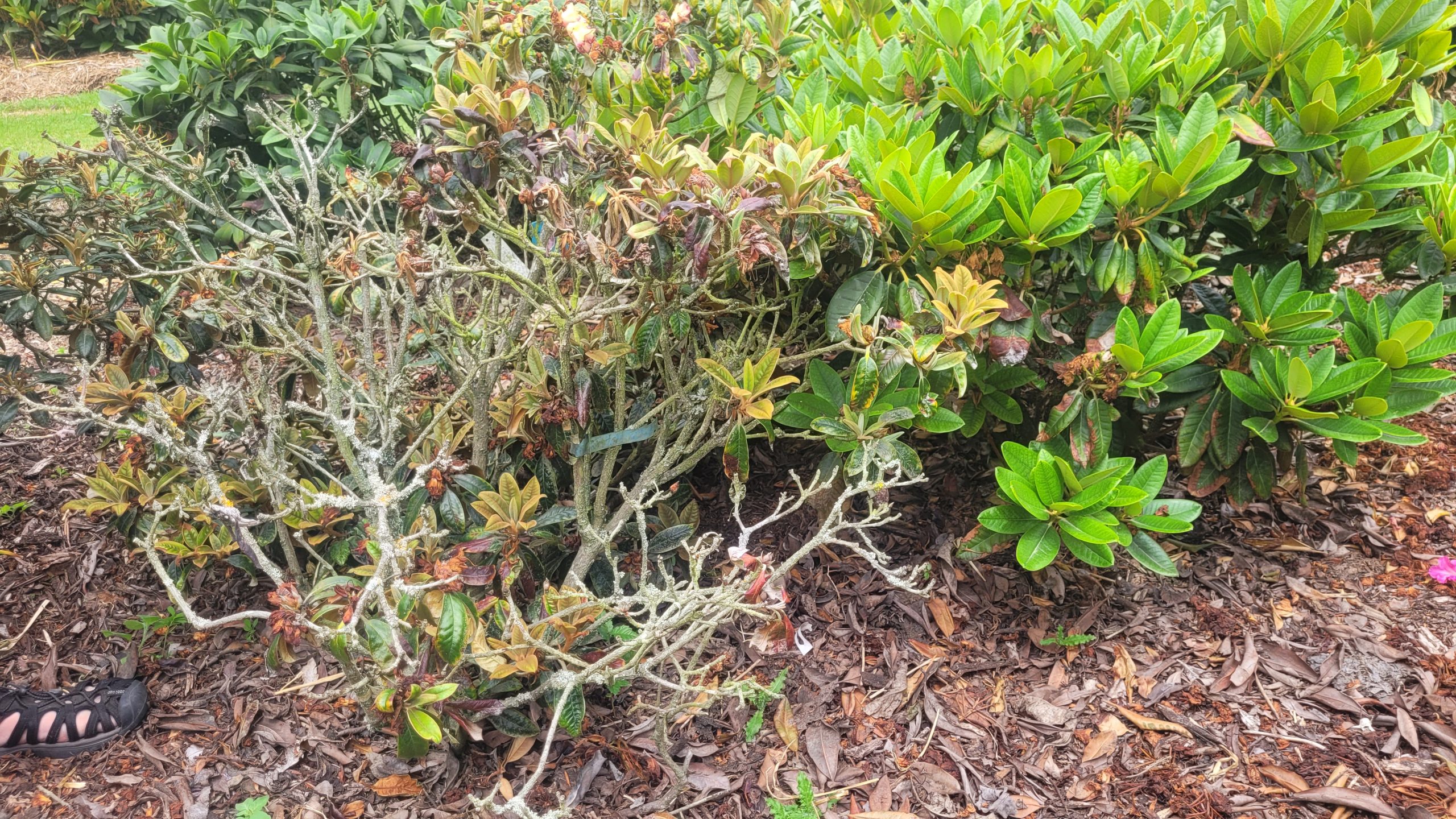
While dead-heading spent flowers is important, many rhododendrons quietly signal that they need more than that. Pruning is beneficial when:
- Plants become too vigorous, producing long, leggy growth
- Growth is concentrated only at the ends of branches, leaving the centre bare
- The plant looks unbalanced, open, or misshapen
These are common issues, especially in established garden plants. Pruning helps redirect energy back into the plant, encouraging new shoots further along the branches and creating a bushier, more compact shape.
Selective pruning also improves airflow and light penetration through the centre of the plant, which is essential for long-term health.
When to Prune
The best time to prune rhododendrons is after flowering in late spring. Pruning at this time:
- Allows the plant to respond while it’s still actively growing
- Encourages new shoots that can develop flower buds for the following season
- Minimises the risk of losing next year’s flowers
Cold climate note: If you live in an area with heavy frosts, avoid pruning in summer or autumn. New growth triggered by late pruning can be damaged or destroyed by frost. Late spring pruning is the safest and most effective option.
Before You Start: Know Your Plant
- There’s no single “right” shape for a rhododendron. Some gardeners prefer:
- A taller, more tree-like shrub
- A dense plant growing low to the ground
- Both are valid — pruning style is a matter of personal preference.
A helpful rule of thumb:
“If the bark is rough, you can be tough. If the bark is mahogany brown or smooth, show more restraint.”
- Rough-barked plants tolerate harder pruning
- Smooth-barked or mahogany-toned plants are often grafted or fragrant varieties (such as Loderi types) and don’t respond as well to heavy cuts
How Much to Prune
- Never remove more than one third of the plant in a single season
- Always think ahead — where you cut is where the plant will respond
- For mature rhododendrons, use a staged approach:
- Prune one third of the plant each year
- Repeat over three seasons
- This prevents shock and allows the plant to recover and respond evenly.
Step-by-Step: How to Prune Rhododendrons
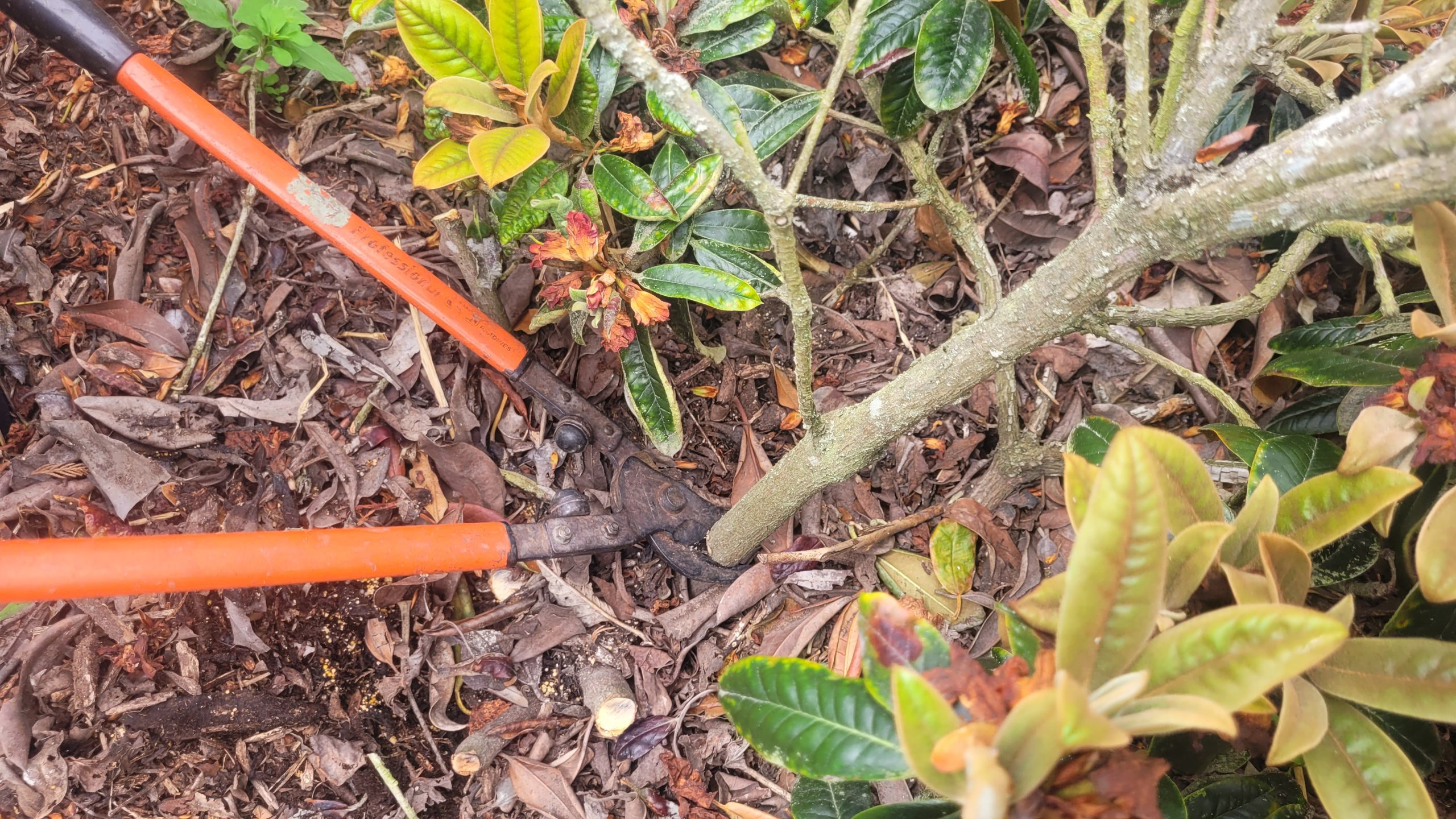
- Start With the Worst Offenders. Begin by removing:
- Weak or spindly growth
- Crossing or rubbing branches
- Overcrowded stems
- Branches that disrupt the overall shape
- Taking out the ugliest or most unbalanced branches first often makes a big visual improvement straight away.
2. Cut Back With Purpose
- Look for leaf nodes or growth buds on the stem (similar to rose pruning)
- Prune just above a bud or node — this is where new growth will emerge
- On older wood, look carefully; growth buds can be small but are usually present
- Lower cuts often give better results, encouraging growth from further back and helping the plant fill in bare areas.
3. Leave a Little Insurance
Where possible, leave a small set of buds below the cut. This provides protection in case of a late frost and improves the chances of strong regrowth.
4. Think Long-Term
Pruning isn’t just about how the plant looks today. Each cut encourages multiple new growth points, many of which will go on to form flower buds for the following year.
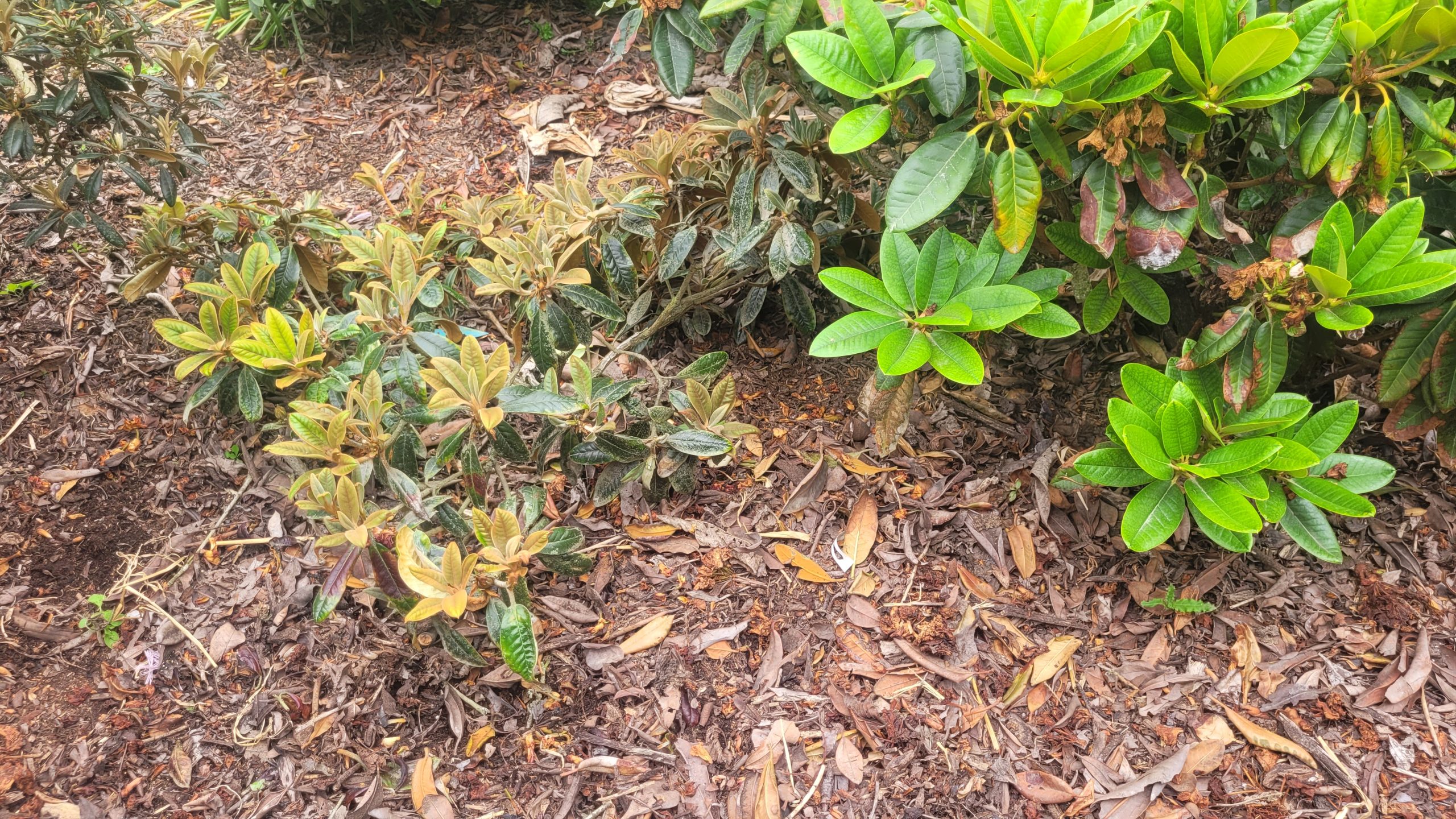
Within six months, previously bare areas often begin filling in with fresh new growth, improving both structure and future flowering.
Final Thoughts
Pruning rhododendrons can feel daunting at first, but with good timing and thoughtful cuts, it’s incredibly rewarding. A well-pruned rhododendron is:
- Healthier
- Better shaped
- More floriferous in seasons to come
A purposeful prune after flowering sets your plant up for strong summer growth, improved structure, and better performance year after year.
If in doubt, prune conservatively — you can always do more next season. And if you really arent sure - have a watch of our 'How to' You Tube Video, and follow along as we demonstrate how we prune our Rhododendrons.