Sub-Total: $0.00
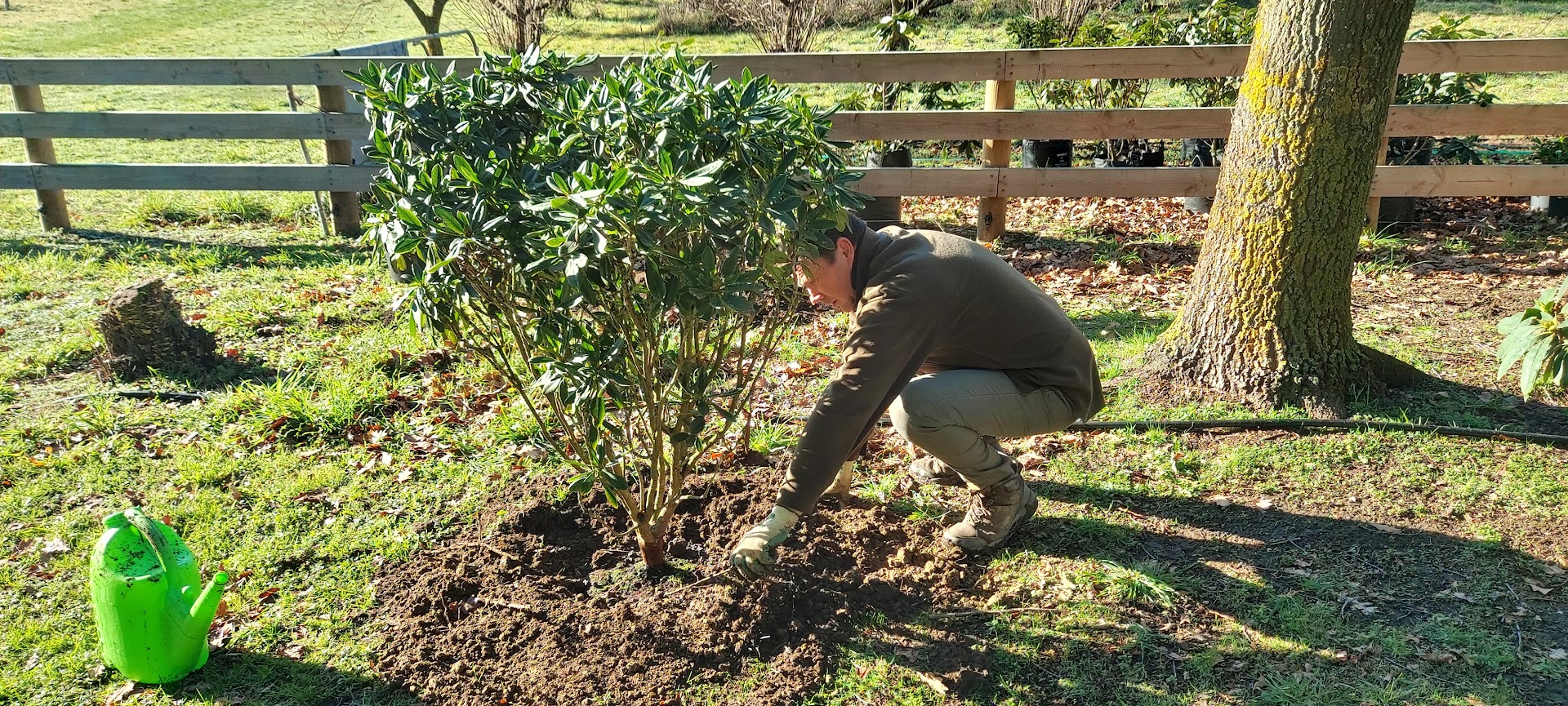
Rhododendrons are actually very rewarding plants to grow — once you understand what they like. Most problems I see come down to watering, soil, or planting depth. Get those right, and you’re well on your way.
Watering
The first year is the most important. Even though rhododendrons don’t like wet feet, they also don’t like drying out — especially while establishing.
- Water deeply rather than lightly and often.
- In summer, check them regularly.
- In winter, only water if the soil is dry.
- A good mulch layer makes a huge difference in maintaining even moisture.
Feeding
- Feed lightly and consistently rather than heavily all at once.
- Use a fertiliser suitable for acid-loving plants.
- Apply in early spring as new growth begins.
- A second light application after flowering is helpful.
- Avoid over-fertilising — too much fertiliser can result in burning occurring on the leaves.
- Nitrogen based fertilisers like NPK Blue will create an abundance of leaves but fewer flowers.
Pruning
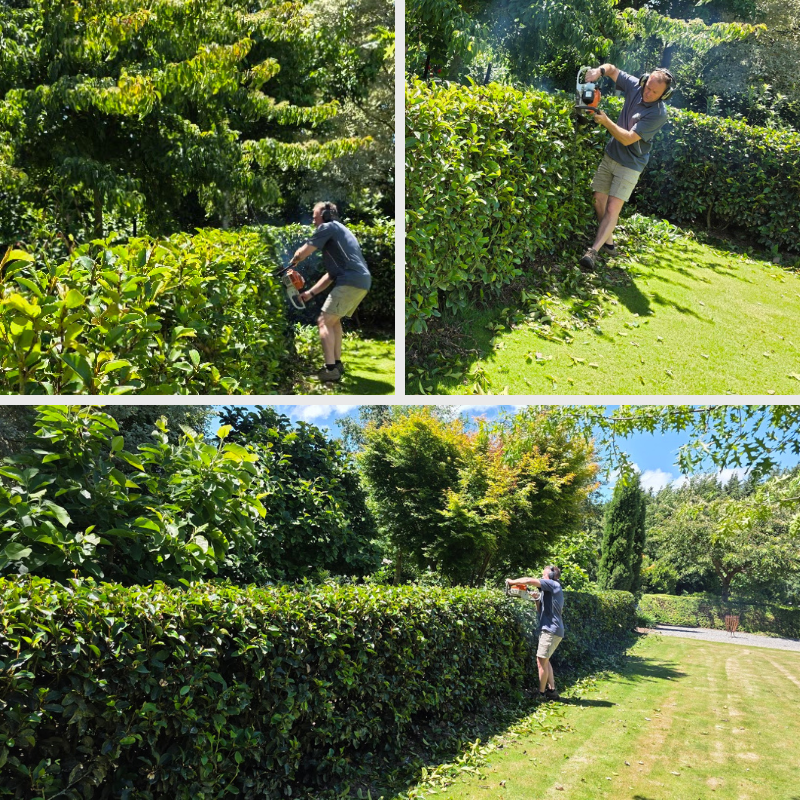
Rhododendrons don’t need heavy pruning.
- After flowering, remove spent flower heads (deadheading).
- Lightly shape if needed.
- Remove any dead or crossing branches.
- If a plant becomes leggy over time, it can be rejuvenated — but I always recommend doing this gradually.
Sun & Position
Most rhododendrons prefer Morning sun, Dappled light, and shelter from harsh afternoon sun
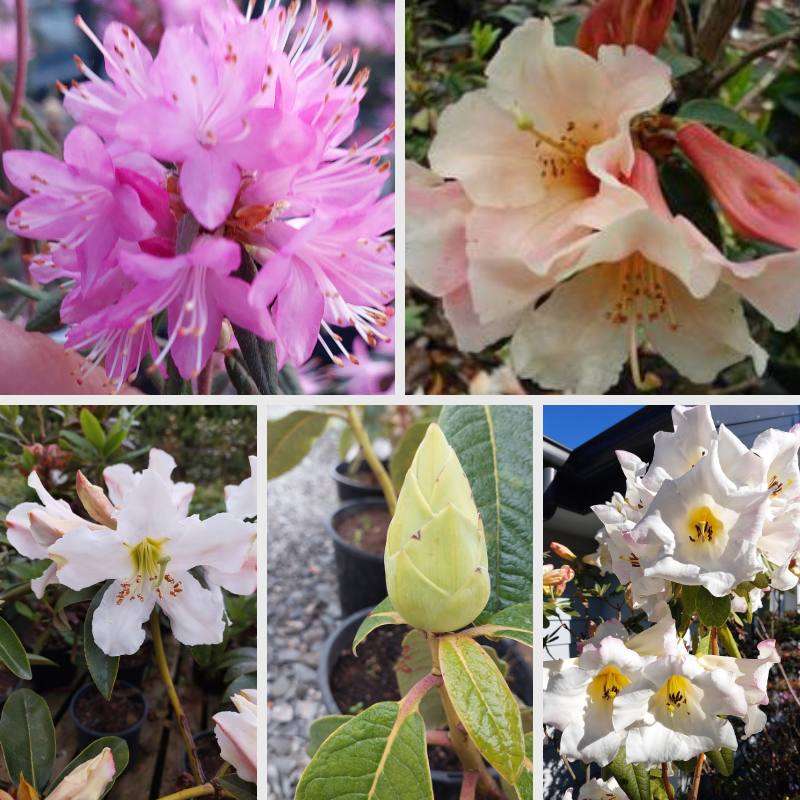
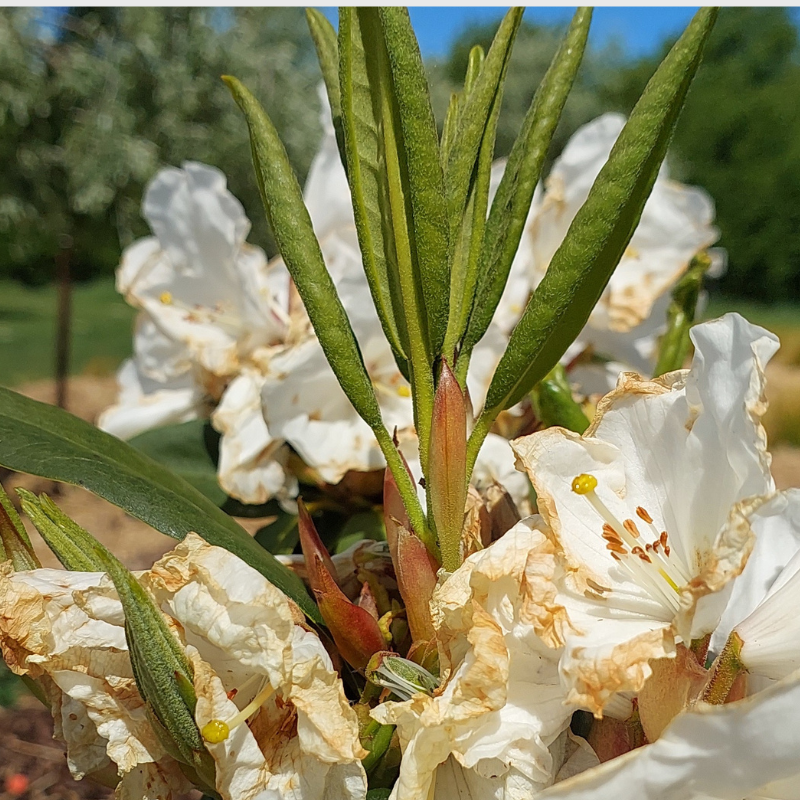
Dark reds and deeper colours tolerate more sun, while pale pinks and whites appreciate a little more protection. Apricots and oranges require a dapple shaded area.
Wind protection is also important — especially when plants are young.
Mulching
Mulch is one of the best things you can do for rhododendrons.
I apply an 8cm layer of organic mulch such as Bark, leaf mould or Pine needles. It keeps roots cool, retains moisture, suppresses weeds, and maintains the acidic soil conditions rhodos love. Refresh mulch each year as it naturally breaks down.
Common Issues
The most common concerns I’m asked about are:
- Yellowing leaves
- Powdery mildew
- Buds not opening
- Leaves curling
Nine times out of ten, it comes back to soil, drainage, or watering. If something doesn’t look right, don’t panic — rhododendrons are tougher than people think.
We have many helpful posts discussing rhododendron soil preparation, pruning and mulching, feeding and fertilising, common problems, and general care and advice posts. You can find these listed below, or find the best guide for you via our menu.
My Golden Rules
If you remember these basics below, Your rhododendron will reward you year after year:
- Keep roots cool and moist (but not waterlogged)
- Feed lightly
- Plant shallow
- Mulch well